
SPC vs. LVT vs. WPC Flooring: Which One Should You Choose?
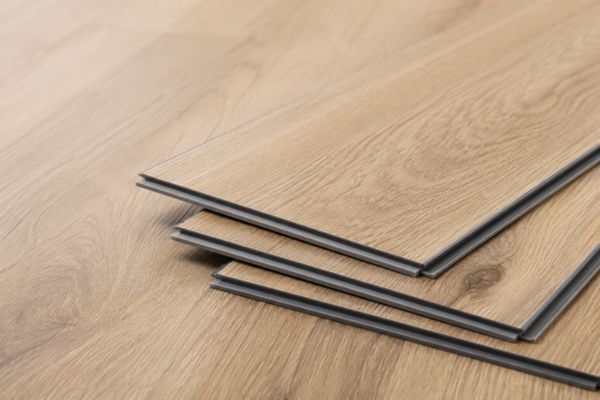
All three of these are technically vinyl flooring, and all three can look nearly identical in a showroom photo. The difference that actually matters is what’s inside — the core — and that core determines everything from how the floor feels underfoot to whether it’ll pass your building’s soundproofing code.
The core is the whole story
Traditional LVT (Luxury Vinyl Tile) uses a thin, flexible PVC core, typically under 4mm thick. It’s the most budget-friendly of the three and the most installation-flexible (glue-down, loose-lay, or click-lock), but it offers less underfoot support and is generally considered the least durable of the three under heavy impact.
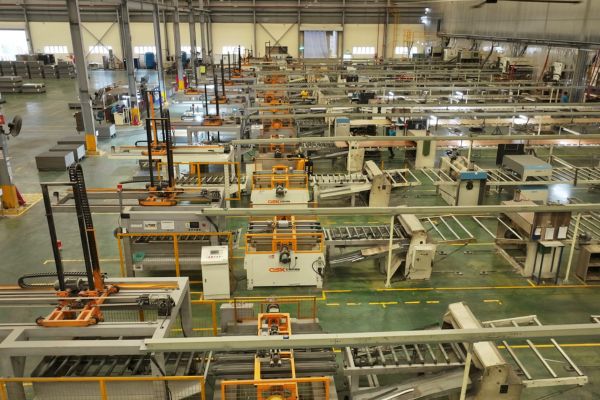
SPC (Stone Plastic Composite) uses a rigid core made from limestone powder, PVC resin, and stabilizers — dense, solid, and typically 4–6mm thick. That density is what makes SPC excellent for high-traffic, moisture-prone, or temperature-variable spaces; it resists dents and holds its shape over uneven subfloors. The tradeoff: SPC feels harder and colder underfoot than the other two options, closer to walking on tile.
WPC (Wood Plastic Composite) uses a foamed core — PVC resin, calcium carbonate, and wood flour, processed through foaming co-extrusion, creating tiny air pockets throughout the core. That foam structure is what gives WPC its signature comfort: warmer, softer, and quieter underfoot than SPC, closer to the feel of engineered hardwood (ONSUN’s structural comparison of WPC and SPC flooring; Vevano’s guide to rigid-core luxury vinyl tile).
A practical comparison
| LVT (traditional) | SPC | WPC |
Core | Flexible PVC | Rigid stone-plastic composite | Foamed wood-plastic composite |
Typical thickness | <4mm | 4–6mm | 6–8mm |
Underfoot feel | Softer, flexible | Firm, cold (tile-like) | Warm, cushioned |
Sound insulation | Depends on backing | Lower (often needs extra underlayment for multi-family) | Higher — often meets condo/apartment IIC ≥65 code without extra padding |
Best for | Budget-conscious, low-impact spaces | Kitchens, bathrooms, high-traffic and temperature-variable areas | Bedrooms, living rooms, apartments/condos where sound matters |
Installation | Glue-down, loose-lay, or click-lock | Click-lock (floating) | Click-lock (floating) |
(comparison synthesized from Onsun WPC’s SPC vs LVT breakdown, Protex Flooring’s 8 key differences between SPC and LVT, and ONSUN’s WPC vs SPC structural comparison)
Why the sound-insulation column matters more than most buyers realize
If you’re specifying flooring for a multi-unit residential building, this is often the deciding factor rather than aesthetics. Many building codes and HOA regulations for multi-family buildings require a floor-to-floor Impact Insulation Class (IIC) of 65 or higher. WPC’s foam core commonly meets that threshold on its own (roughly IIC 65–72), while SPC’s denser, more rigid core commonly falls short on its own (roughly IIC 55–62) and needs a thicker underlayment added to comply — which adds cost and installation time (ONSUN’s technical comparison of WPC and SPC sound performance).
Regionally, market preference splits too: SPC has been gaining share fastest in North America on durability and waterproof performance, while LVT still holds a larger share of the market in parts of Europe and Southeast Asia (Protex Flooring’s regional market comparison of SPC and LVT).
How to choose
If your priority is maximum durability, moisture resistance, and stability in a kitchen, bathroom, or commercial space — SPC. If your priority is comfort and quiet in a bedroom, living room, or a multi-family building with a sound-insulation requirement — WPC. If budget is the primary constraint and the space sees lighter use — traditional LVT is still a reasonable choice.
Where Tin An fits
Tin An manufactures both SPC and WPC flooring, which puts us in a genuinely neutral position for this specific question — we’re not trying to sell you into whichever core type we happen to make. If you tell us the application (room type, traffic level, and whether there’s a sound-insulation code requirement), we can walk through which core actually fits.